Top AI Trends in 2026: What’s Actually Changing (Not the Hype)
Artificial Intelligence is no longer experimental technology. It is production infrastructure. Companies are not asking “Should we use AI?” — they are asking “How do we deploy AI at scale without breaking security, compliance, and cost constraints?”
Here are the AI trends in 2026 that matter — technically and strategically.
1. Generative AI Moves From Content to Infrastructure


4
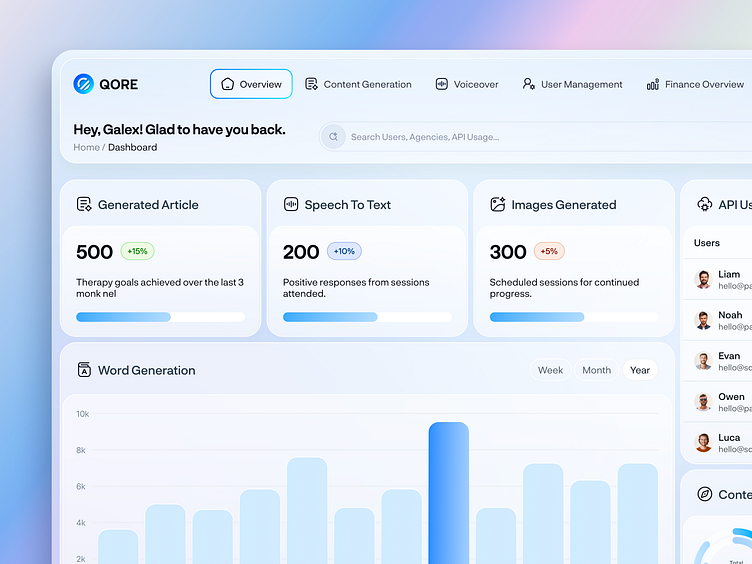
Generative AI started with text and image generation. Now it’s being embedded into enterprise systems.
Tools powered by large language models (LLMs) like those popularized by systems such as OpenAI and models like Google DeepMind are being integrated into:
- Customer support automation
- Legal document drafting
- Code generation and review
- Knowledge management systems
The shift is from “AI as a chatbot” to “AI as a system-level copilot.”
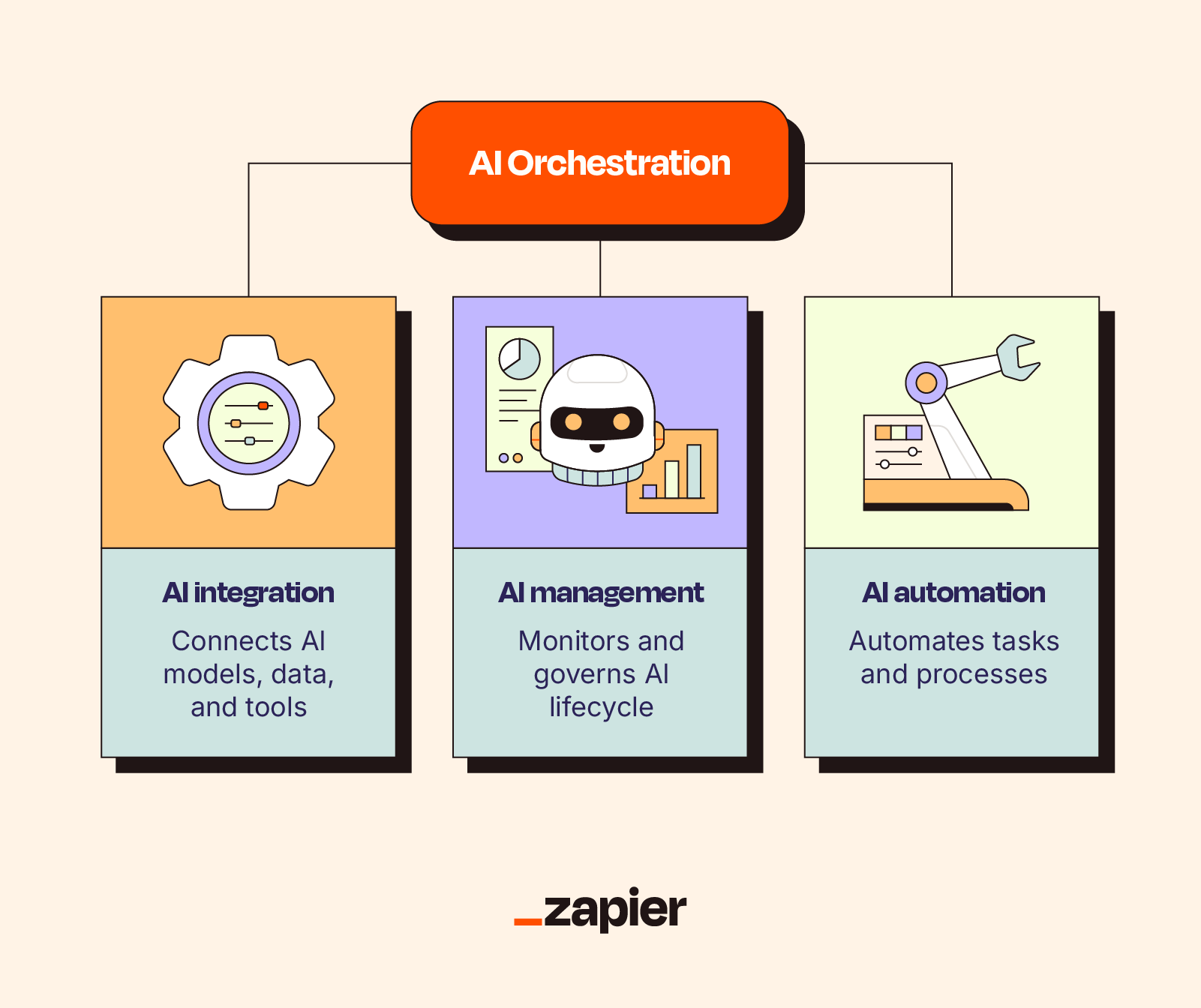
If you’re a developer, the competitive edge is no longer writing boilerplate code — it’s architecting systems that orchestrate AI safely and efficiently.
2. AI Agents Are Replacing Static Automation

4
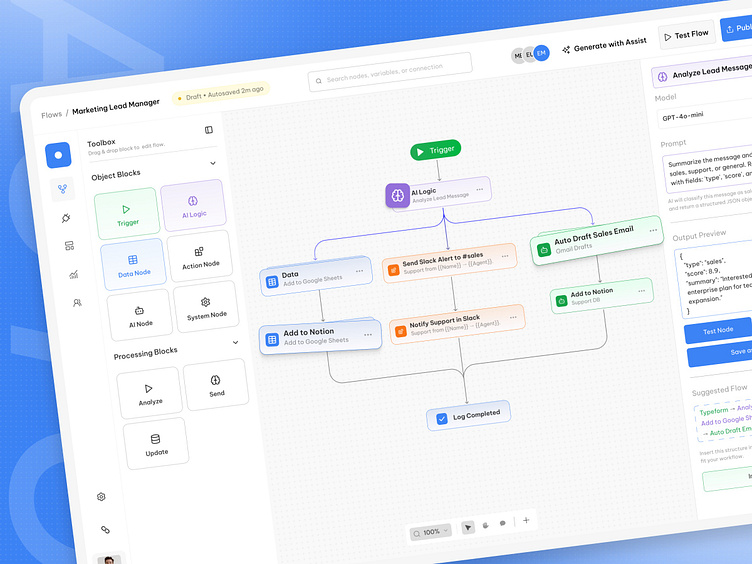
Basic automation follows rules. AI agents reason.
Modern AI agents can:
- Interpret goals
- Break them into subtasks
- Use APIs and tools
- Self-correct
This is beyond simple prompt-response models. Agent frameworks are enabling AI to perform tasks like:
- Booking travel
- Running market analysis
- Writing and testing code
- Managing workflows
However, most agent systems still struggle with reliability and long-term planning. The opportunity is in building guardrails, evaluation pipelines, and memory systems.
Blind trust in agents is a mistake. Controlled autonomy is the winning approach.
3. Multimodal AI Becomes Standard

4
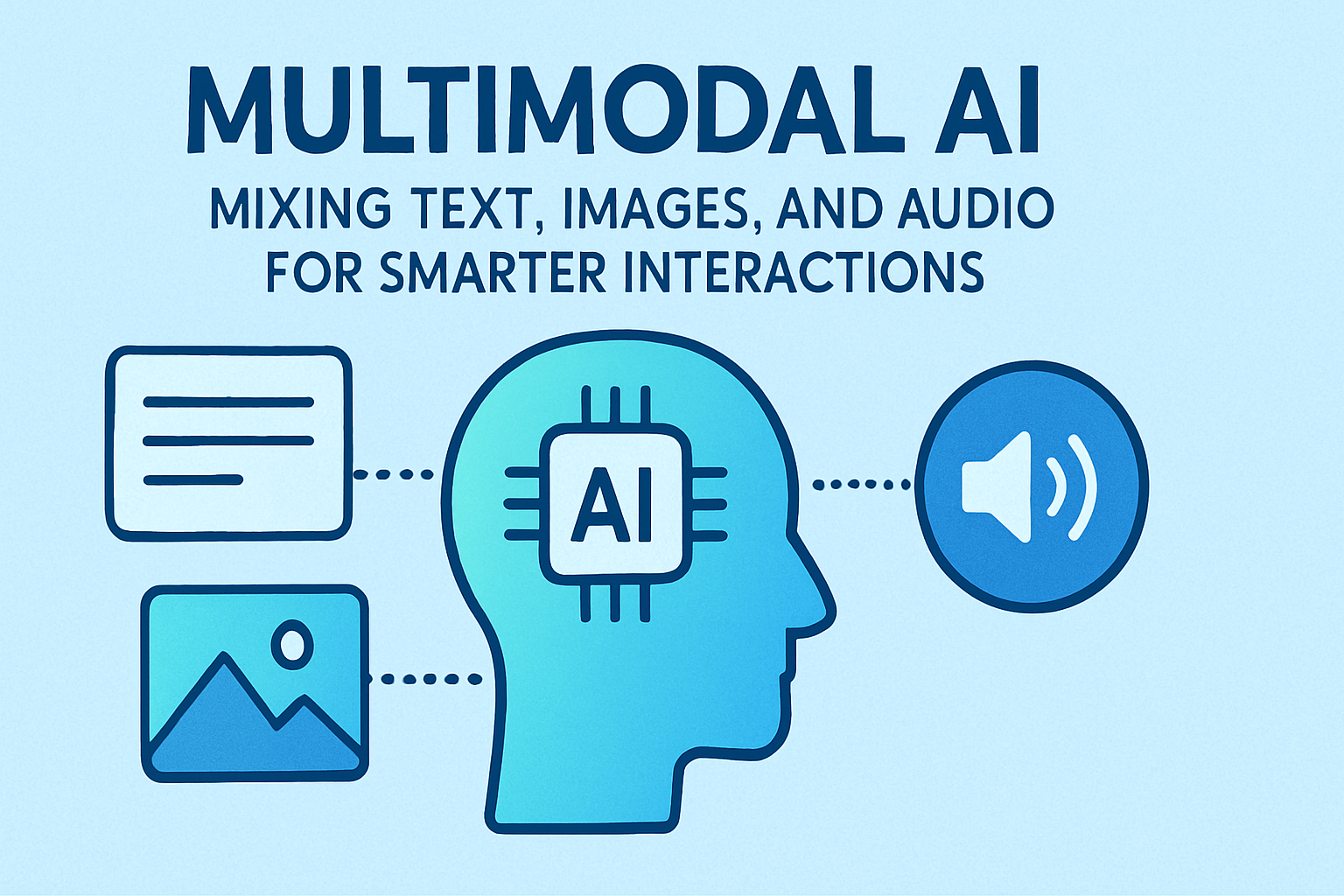
Earlier AI models handled one modality — text, image, or audio.
Now, multimodal AI models can process:
- Text
- Images
- Video
- Audio
- Structured data
Companies are building AI systems that understand documents, screenshots, voice input, and database entries in one workflow.
This matters because real-world data is messy. Systems that combine computer vision + NLP + reasoning outperform single-modality pipelines.
4. Edge AI Is Growing Fast


4
Cloud AI is expensive and latency-heavy. Edge AI runs models locally on:
- Smartphones
- IoT devices
- Industrial machines
- Autonomous systems
Advantages:
- Lower latency
- Improved privacy
- Reduced cloud costs
With hardware improvements and model compression techniques (quantization, distillation), edge deployment is becoming practical.
For startups, this reduces dependency on large-scale cloud inference costs.
5. AI in Cybersecurity Is Becoming Critical


4
AI is now used for:
- Threat detection
- Anomaly detection
- Fraud prevention
- Real-time response automation
At the same time, attackers are also using AI to generate phishing campaigns and bypass detection systems.
This creates an AI arms race.
Organizations are integrating AI-powered monitoring systems to reduce response time from hours to seconds.
6. AI Regulation and Governance Tighten
Governments are introducing AI compliance frameworks to address:
- Data privacy
- Bias and fairness
- Transparency
- Model accountability
Companies ignoring governance will face legal risk. The next phase of AI maturity is not just model performance — it’s responsible deployment.
The Future of Work: Skills That Actually Matter
Here’s the blunt truth:
- Basic coding is being automated.
- Prompt engineering alone is not a career.
- Surface-level AI knowledge is useless.
What matters now:
- System design with AI integration
- Data engineering
- Model evaluation and monitoring
- AI security
- Domain expertise + AI leverage
AI is not replacing skilled professionals. It is replacing low-leverage work.
If you want to stay competitive, stop focusing on tools. Focus on systems and fundamentals.